Bruxism and Teeth Grinding: Causes and Protection Strategies
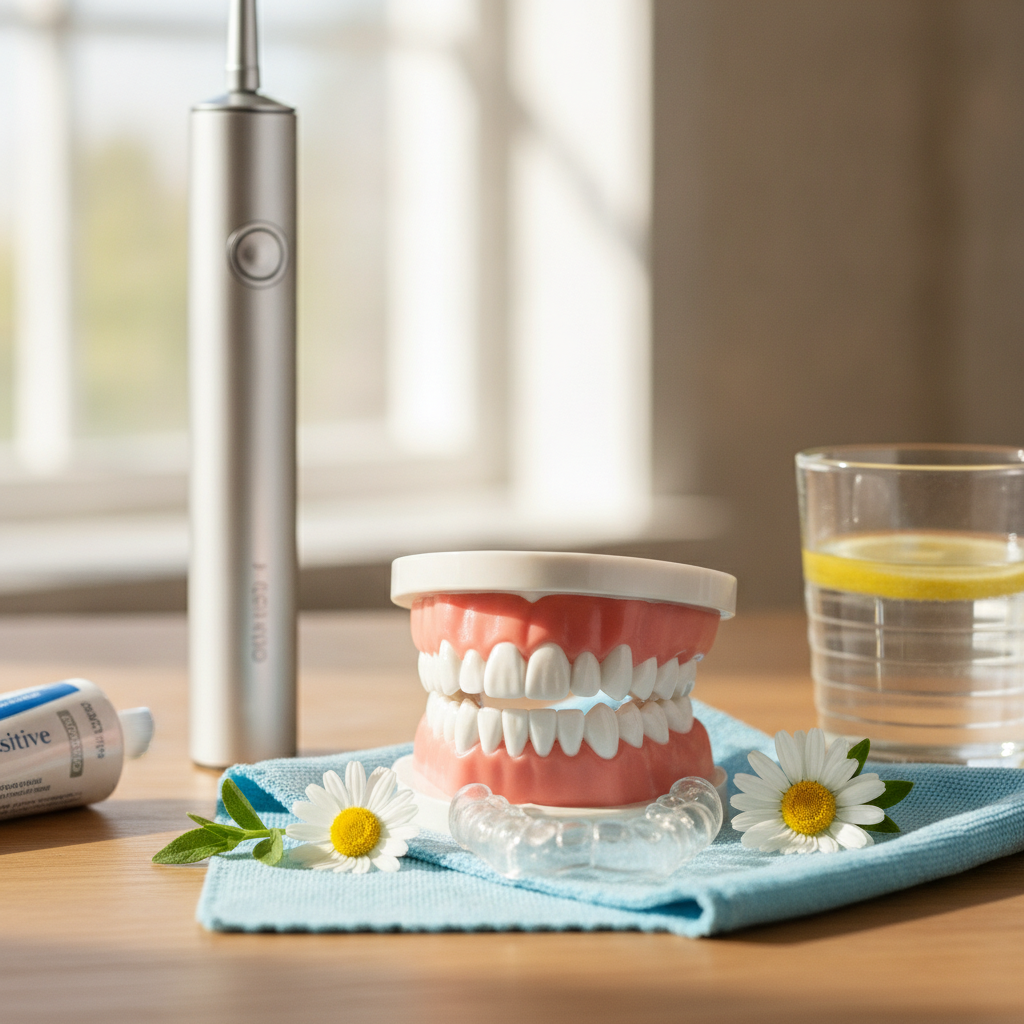
Many people grind their teeth at night without awareness. This habit, called bruxism, can cause significant dental damage and jaw pain over time.
Why People Grind
Stress and anxiety are primary triggers. Your nervous system may default to jaw tension and grinding during stressful periods. Sleep arousal episodes—partial waking from deep sleep—commonly involve grinding.
Certain medications increase grinding risk. Antidepressants, particularly SSRIs, occasionally trigger bruxism as a side effect. Sleep disorders like sleep apnea correlate with grinding.
The Damage
Repetitive grinding wears enamel, flattening the chewing surface of teeth. Cumulative damage can require crowns or other restoration. The forces can crack teeth, particularly around fillings or restorations.
Jaw muscles fatigue from sustained clenching, leading to pain and dysfunction. The temporomandibular joint can suffer damage, causing clicking, popping, or locking.
Night Guard Protection
A properly fitting night guard protects teeth from grinding damage. Custom-made guards from your dentist provide superior protection and comfort compared to over-the-counter options.
The guard absorbs forces that would otherwise damage teeth. Ideally, you should not feel the guard while sleeping—well-fitted guards are comfortable and barely noticeable.
Stress Management
Reducing daytime stress naturally decreases grinding. Meditation, exercise, and adequate sleep lower nervous system activation. Evening relaxation routines—avoiding stimulating activities before bed—reduce bruxism frequency.
Sleep Hygiene
Poor sleep quality increases grinding. Consistent bedtime, avoiding screens 1-2 hours before sleep, and maintaining cool, dark sleeping environments improve sleep quality and reduce grinding.
Jaw Awareness
Throughout the day, notice your jaw position. Most people habitually clench when concentrating. Consciously relaxing your jaw when you notice tension prevents buildup of nighttime clenching.
Professional Guidance
If grinding persists despite night guard use and stress management, consult your dentist. Adjusting your bite or addressing underlying sleep disorders may reduce grinding.