Collagen Production: Boosting Natural Synthesis for Youthful Appearance
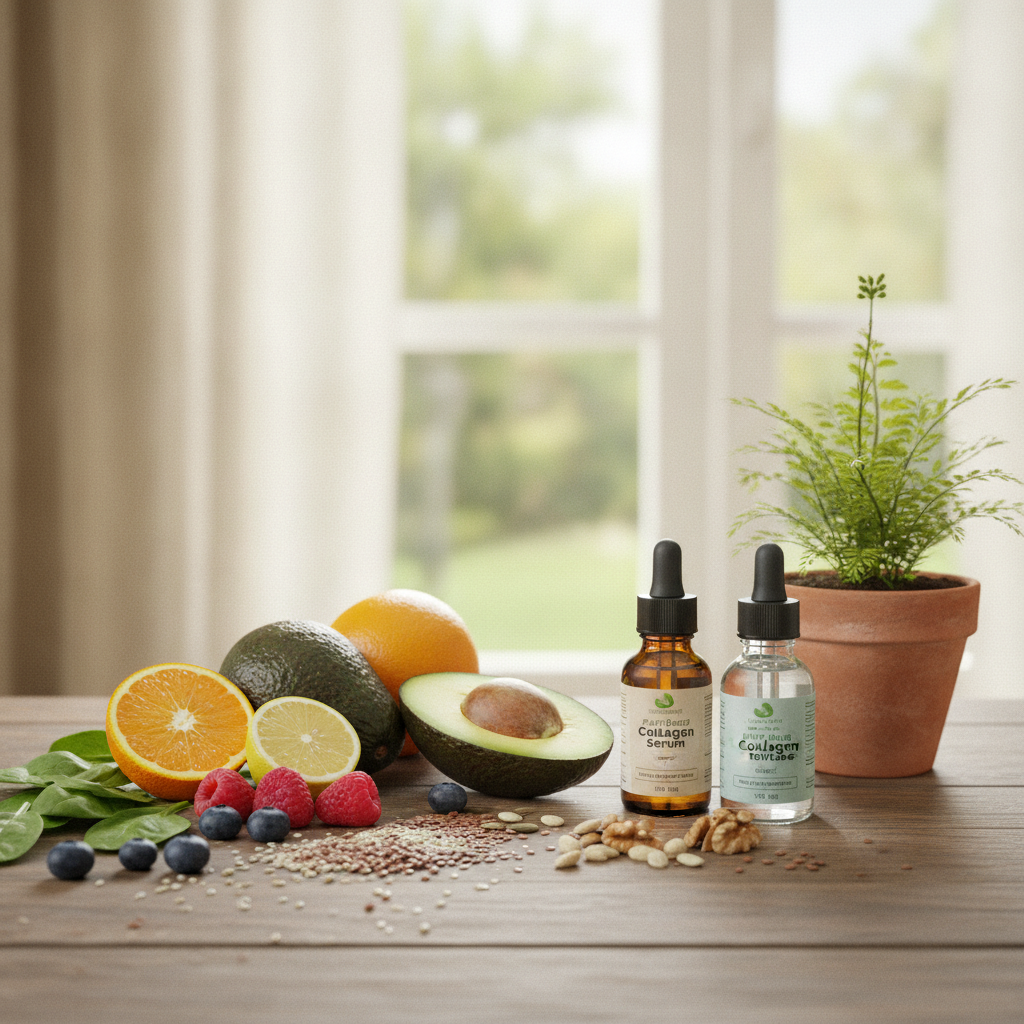
Collagen's Structural Role
Collagen comprises approximately 30% of total body protein, providing structural support to skin, bones, cartilage, and connective tissues. Collagen production peaks in youth and declines significantly with age.
Factors Promoting Collagen Synthesis
Vitamin C is essential for collagen crosslinking and stability. Adequate protein intake provides amino acid building blocks. Sleep supports growth hormone production crucial for tissue repair and collagen synthesis.
Retinoid Effectiveness
Retinoids increase collagen production by stimulating fibroblasts. Regular retinoid use demonstrably increases collagen levels and improves skin thickness, firmness, and wrinkle appearance over time.
Amino Acid Insufficiency
Specific amino acids—particularly glycine, proline, and hydroxyproline—are crucial for collagen synthesis. Bone broth and collagen peptides provide these amino acids in concentrated forms.
Hydrolyzed Collagen Benefits
Collagen peptides (hydrolyzed collagen) are broken down into small molecular weight forms that absorb readily. Research demonstrates that collagen peptide supplementation improves skin elasticity and hydration.
Exercise Stimulation
Resistance exercise stimulates collagen production in muscles and tendons. Consistent strength training maintains muscle mass and collagen-rich connective tissue throughout life.
Antioxidant Protection
Oxidative stress damages existing collagen and inhibits synthesis. Antioxidant-rich foods protect collagen and support synthesis of new collagen molecules.