Muscle Spasms and Back Tension: Quick Relief Techniques
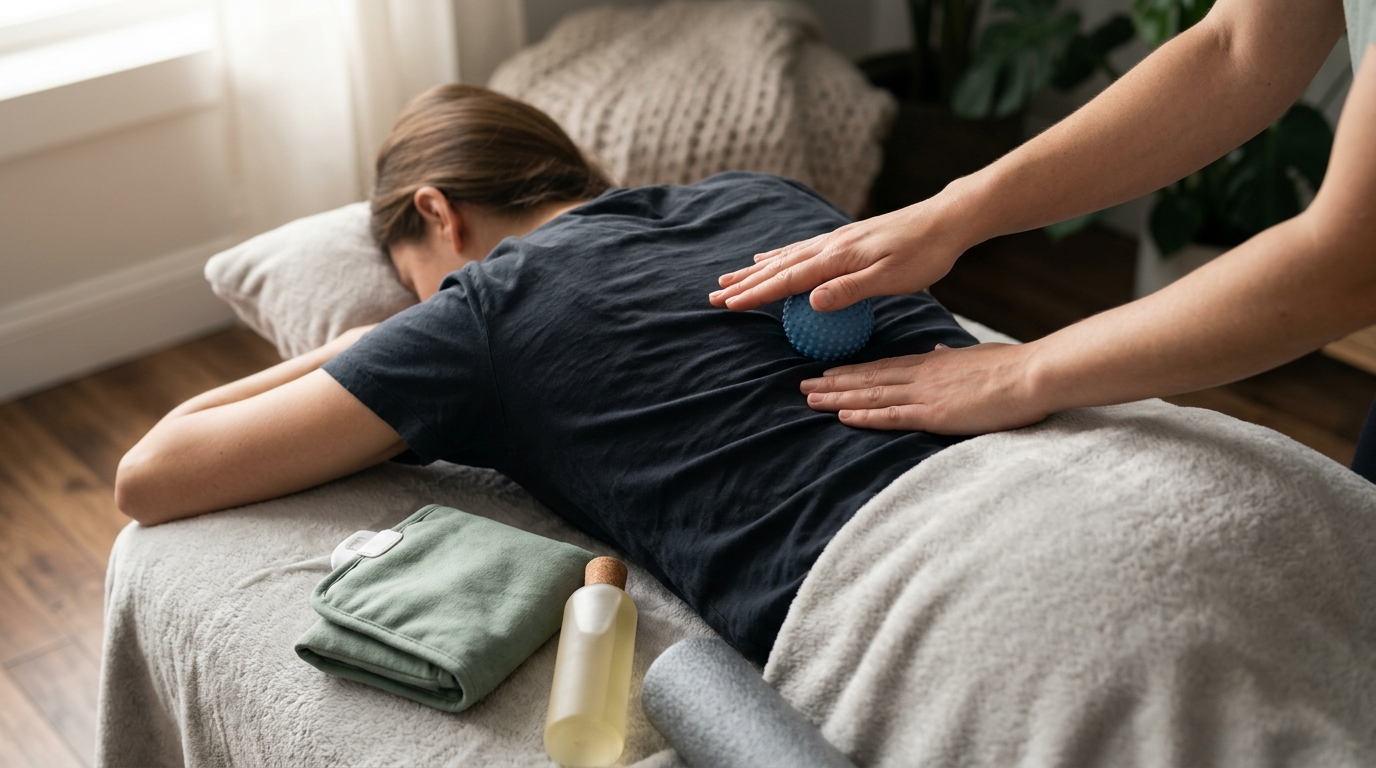
Acute muscle spasms can strike suddenly, causing sharp pain and limiting movement. While alarming, most spasms resolve within days with appropriate care.
Why Spasms Occur
Muscle spasms are protective. When your nervous system detects potential danger to the spine, it contracts muscles to stabilize the area. Often spasms follow a minor strain or movement that your body perceives as threatening, even if actual injury is minor or absent.
Immediate Relief
Apply heat rather than ice to muscle spasms (ice is appropriate for acute inflammation but worsens muscle tension). A heating pad, warm bath, or warm shower relaxes tight muscle fibers. Gentle stretching—never forcing—releases tension. The goal is gentle lengthening, not deep stretching.
Over-the-counter muscle relaxants can help in the acute phase. Ibuprofen reduces any associated inflammation. Together, these allow the acute episode to resolve faster.
Movement Recovery
While tempting to remain completely still, complete rest prolongs recovery. Gentle walking and slow, controlled movements encourage the nervous system to realize the threat has passed.
Underlying Causes
Recurrent spasms suggest chronic muscle tension. Addressing root causes—poor ergonomics, stress, lack of flexibility—prevents recurrence. Regular stretching and strengthening exercises reduce the nervous system's threat perception.
Stress Connection
Emotional stress manifests physically as muscle tension. When anxious or stressed, your nervous system defaults to muscle contraction. Addressing emotional factors through meditation, breathing exercises, or counseling reduces spasm frequency.
Prevention
Consistent mobility and strengthening work trains your nervous system to respond proportionally to threats. Staying active, maintaining flexibility, and managing stress create resilience against future spasms.